
Less-Than-Truckload Logistics Website
As a Software Development Engineer Intern at Nathaniel Home Inc. (June 2023 – September 2023), I delivered a comprehensive logistics platform tailored for Less-Than-Truckload (LTL) transportation. This project was a core component of my internship and involved designing and building a web application to simplify large freight shipment booking and management. Leveraging modern technologies, the platform connects customers with third-party local carriers, automating processes to provide seamless logistics solutions.
The website offers several key features, including:
- Freight Quoting System: Built a dynamic quoting system using Node.js, Express, and MongoDB, allowing customers to input shipment details (e.g., dimensions, weight, pickup, and delivery addresses) and instantly receive competitive quotes from multiple local carriers.
- Order Management: Designed an intuitive order management module with React and Redux, enabling users to place orders and track the status of their shipments in real-time.
- Carrier Integration: Implemented integration with third-party APIs to automate the booking process and streamline communication with local carriers.
- User-Friendly Interface: Leveraged Redux Thunk to enhance performance and create a seamless user experience, simplifying the logistics management process for customers.
This platform significantly improves the logistics process for large freight shipments, offering customers a more accessible and efficient solution for booking and managing LTL transportation. By automating critical steps such as quoting, booking, and carrier coordination, the system reduces operational complexity and saves time.

Home_Page

Distance_Info

Product_Detail
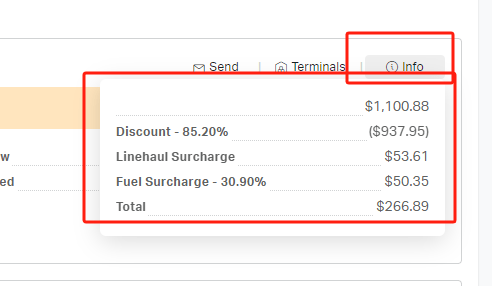
Price_Info
Game Matching Website
As the lead developer of this project, I built a game matchmaking website using Python, JavaScript, HTML, CSS, and the Py4web framework. The platform was designed to address the challenge of finding online matches for games that use private room codes, such as those played through emulators, which often lack built-in matchmaking features.
The website offers several key features, including:
- Homepage: Presents an overview of the service, login/signup options, and access to global chat.
- Global Chat: Users can join a public chat room to discuss various topics with other players.
- Game Lobby: Users can either add new games or join an existing game queue. Once in the queue, the system matches players together and places them in a dedicated chatroom where they can communicate and set up the game.
- Matchmaking: Players can queue up for their chosen game, and once matched, they are taken to a chatroom to coordinate the match and start playing.
The platform facilitates a more seamless matchmaking process by allowing players to easily connect, organize matches, and communicate, all in one place. The project emphasizes user interaction, community building, and streamlined game management.
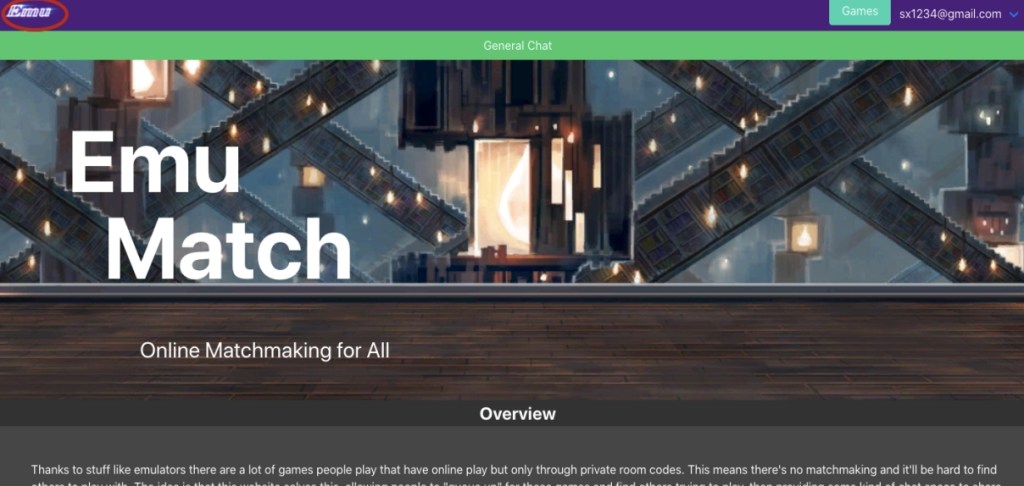
Home_Page
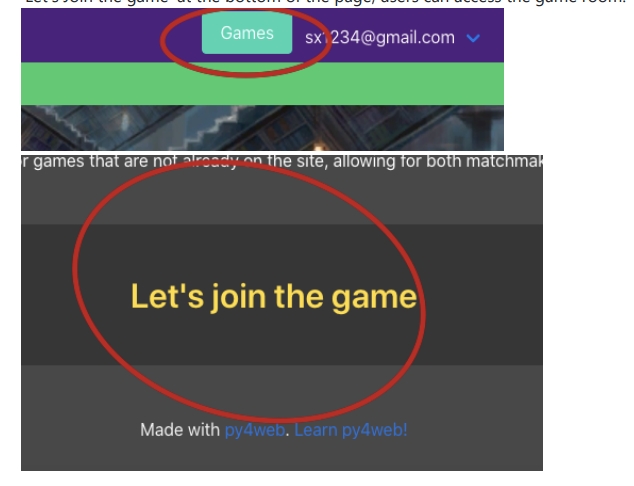
Match_Making

Game_Lobby

Global_Chat
Iowa House Price Prediction: Advanced Regression Analysis
In this project, I conducted a comprehensive analysis of the Kaggle dataset “House Prices – Advanced Regression Techniques,” featuring 1460 observations of homes in Ames, Iowa. With 79 explanatory variables, I used regression models to predict house prices based on factors such as physical characteristics (e.g., size, number of rooms, amenities), location, and temporal factors like the year built and remodeled.
Key areas of analysis include:
- Impact of Physical Characteristics: Exploring how home size, number of bedrooms, bathrooms, and amenities affect pricing.
- Location-Based Insights: Comparing neighborhoods and examining the influence of proximity to streets on property values.
- Temporal Factors: Analyzing the effect of build and remodel years on house prices to guide investment decisions.
This project provides actionable insights for real estate developers, home buyers, and community planners, helping them make data-driven decisions based on property features and market trends.
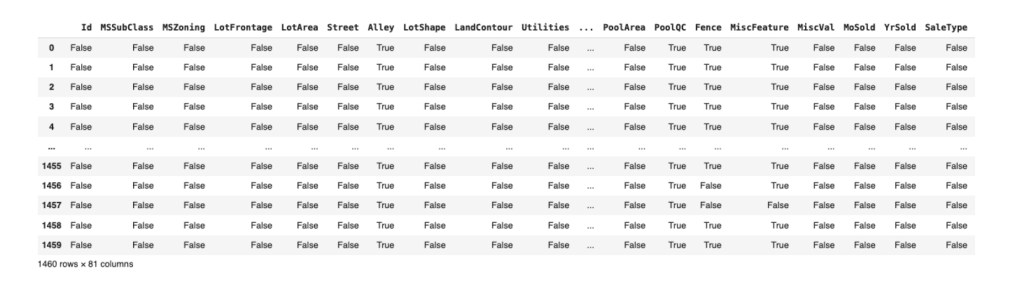
Data Matrix After Data Cleaning
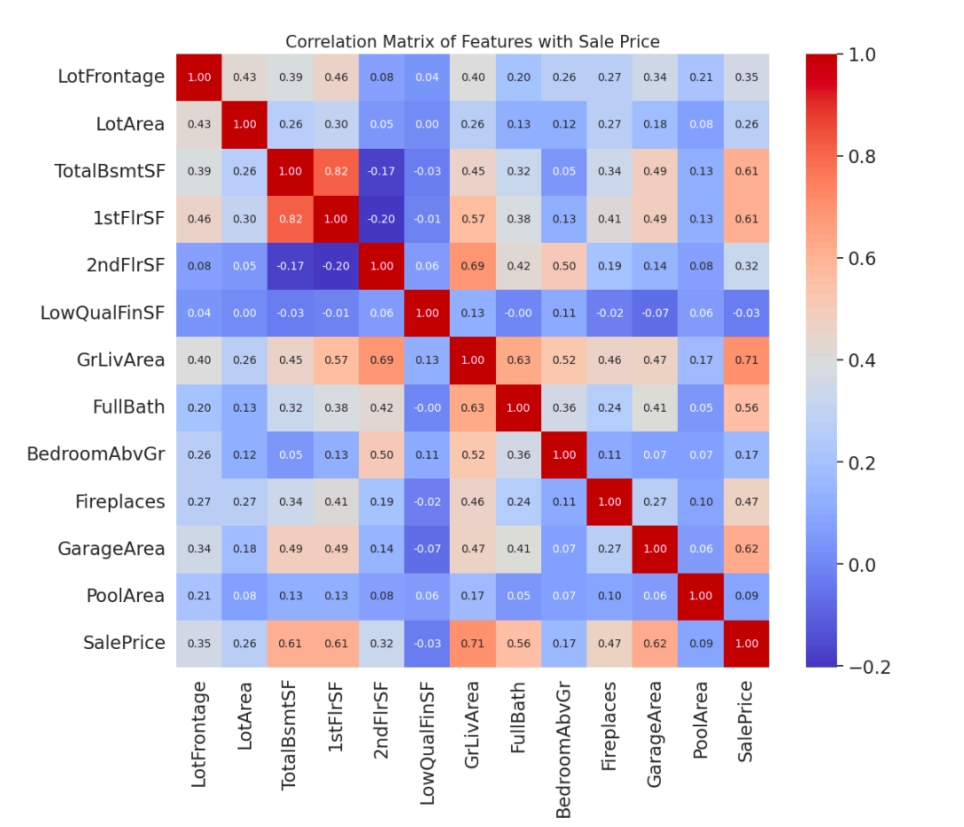
Correlation Matrix of Key Features with Sale Price
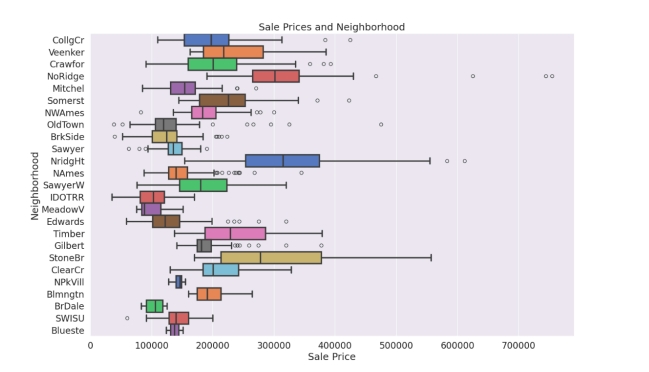
Distribution of House Sale Prices by Neighborhood
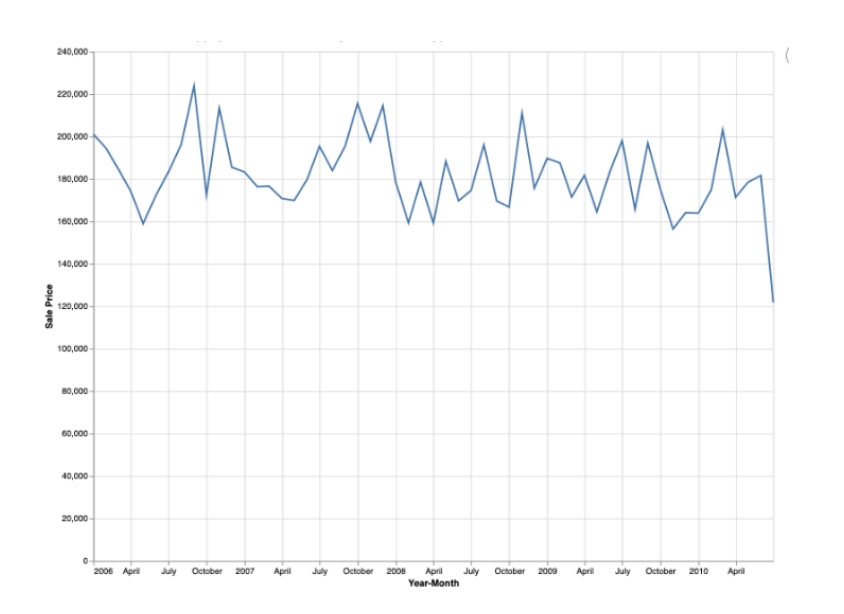
Time Series Analysis of House Sale Prices
United States Covid-19 Cases Forecast
Developed an LSTM model using Python to help forecast United States COVID-19 cases and achieved a loss of 6.755e-06.ignificantly enhancing the reliability and precision of epidemiological forecasting, which is critical for strategic
public health planning and response efforts. Extracted COVID-19 case data from Kaggle in the last six months and performed data preprocessing steps using Pandas and Scikit-learn. Also Visualized the COVID cases forecast using Numpy and Seaborn

High Vaccination, High Variant Transmissibility Increase

High Vaccination, Low Variant Transmissibility Increase
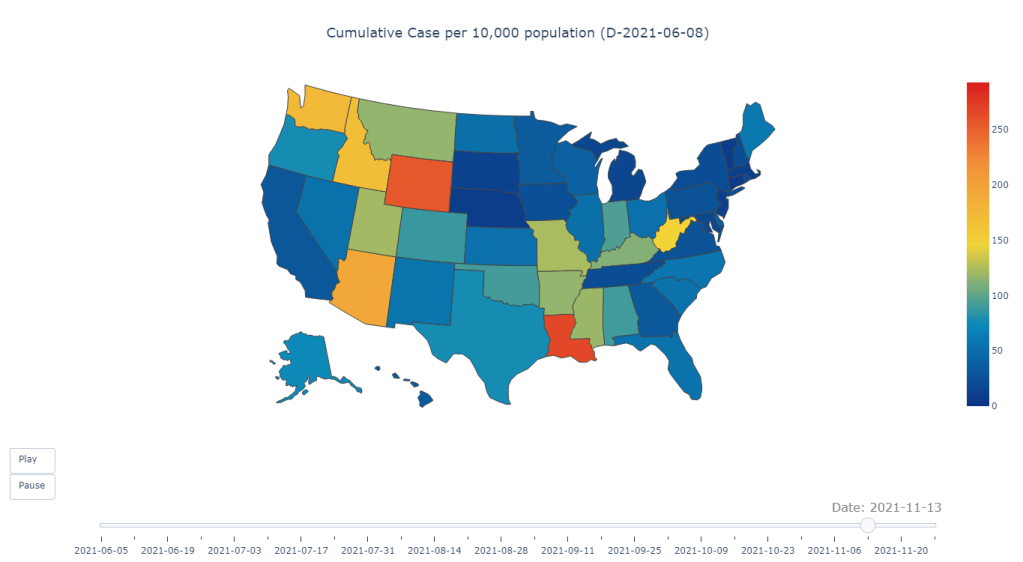
Low Vaccination, High Variant Transmissibility Increase
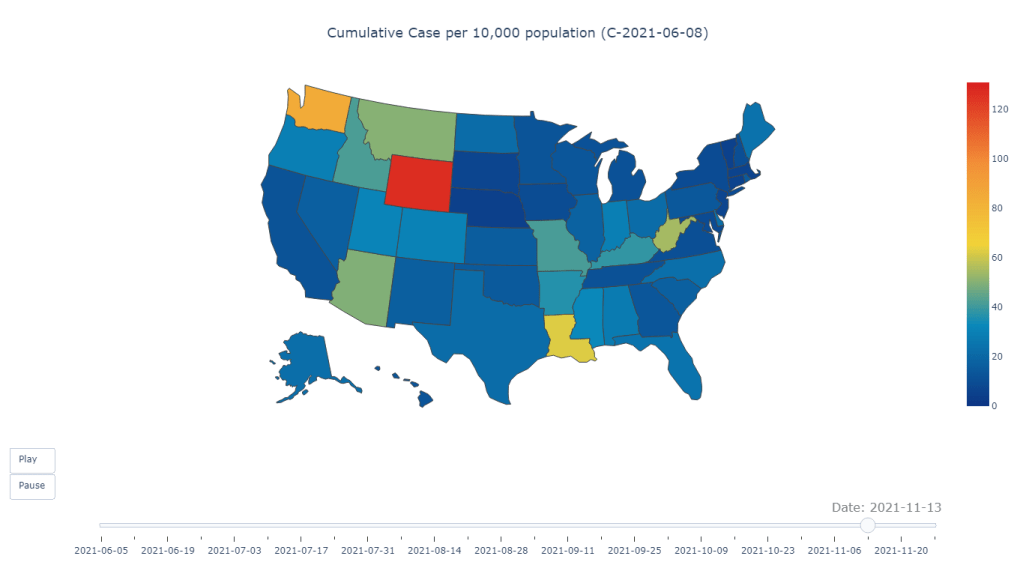
Low Vaccination, Low Variant Transmissibility Increase
Cross-Dataset 3D Pose Estimation and 2D Projection for Human Skeletons
In this project, I developed a program to project 3D skeletal data onto 2D images using a dataset of human poses. The dataset consisted of 3D joint coordinates along with camera position and focal length information. My task involved:
- Reading the 3D joint positions and camera data.
- Computing the correct camera orientation based on the provided camera positions.
- Projecting the 3D skeleton onto a 2D plane to generate a visual representation of the human pose.
The project produced 2D projections of the 3D skeletons for 20 images, visualized on a blank background and compiled into a table for validation. This solution demonstrates the application of geometric transformations to project 3D data into 2D space while keeping a high accuracy on joints tracking.
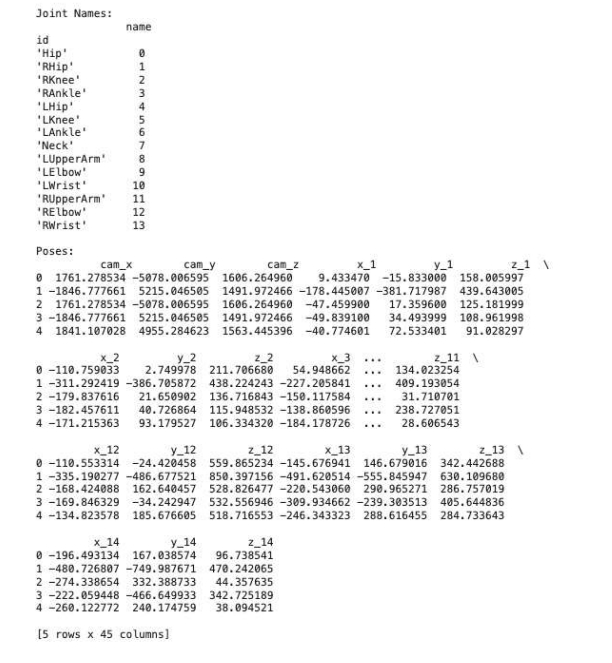
Camera Position and Joint Coordinate Association for 3D Projection

3D Visualization of Camera Position and Joint Coordinates in a Coordinate System

3D Skeletal Pose Visualization Across 20 Frames

Superimposed 3D Skeletal Pose on Real-World Image
Neural Network and Bayesian Optimization for NYC Taxi Trip Duration Prediction
This project focused on building a machine learning model to predict the duration of taxi trips in New York City. The dataset included features such as pickup time, number of passengers, and geo-coordinates, which provided a comprehensive foundation for prediction. My task involved:
- Data Exploration and Feature Engineering: Conducting an in-depth analysis of the dataset to understand relationships between variables, clean the data, and engineer new features to enhance the predictive power of the model.
- Neural Network Modeling: Developing and training a neural network model capable of capturing the complex, non-linear interactions between various features in the data. The choice of neural networks allowed for greater flexibility in handling high-dimensional data and uncovering hidden patterns.
- Bayesian Optimization for Hyperparameter Tuning: Applying Bayesian Optimization to fine-tune the neural network’s hyperparameters. This method efficiently explored the hyperparameter space, reducing computation time and improving the model’s overall accuracy compared to traditional methods like grid search.
- Model Evaluation: Evaluating the performance of the model based on specific metrics to ensure it provided accurate predictions across different trip durations, with a focus on minimizing error and ensuring consistency.
The project successfully produced a model capable of accurately predicting taxi trip durations, showcasing the ability of neural networks to handle complex data relationships. The use of Bayesian Optimization played a key role in refining the model’s performance. This approach demonstrates how advanced machine learning methods can be effectively applied to solve practical problems in transportation, delivering both accuracy and efficiency in prediction.

Pickup and Dropoff Concentration with Outliers Indicating Longer Trips

Training and Validation Loss Over Epochs
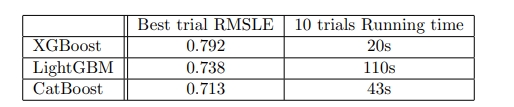
Model Comparison: Best RMSLE and Running Time

CatBoost iteration analysis

“Hope the doggo brings a smile to your face and makes your day amazing!”
 Steven_Xie's Data Lair